


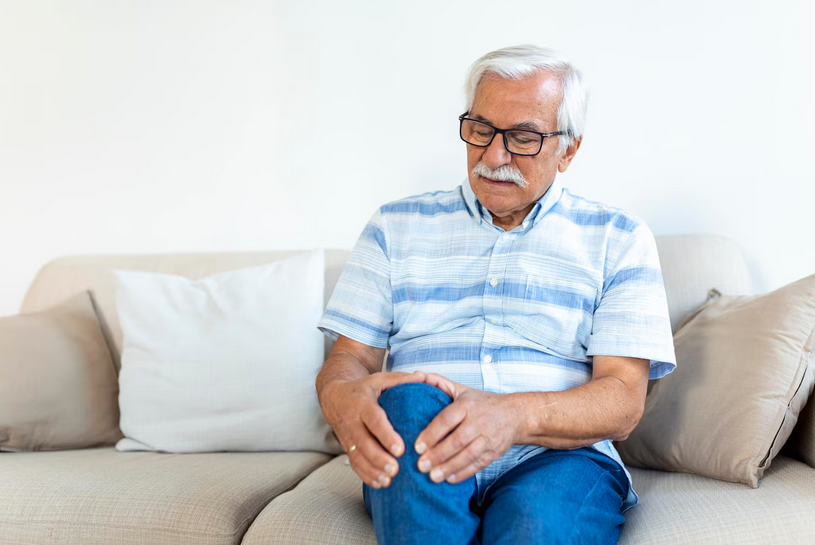
Tips for Protecting Bone and Joint Health as You Get Older
As the years go by, our bones and joints face natural changes that affect strength, flexibility, and stability. Without proper care, issues like osteoporosis, arthritis, and mobility loss can creep in. Yet, just as discipline and consistency shape careers—whether in music, sports, or daily life—the same approach applies to maintaining a healthy body. The story of persistence in mack attack too short reminds us that longevity requires commitment, and the same holds true for your physical well-being. Here are the top factors to focus on if you want to protect bone and joint health as you age.
Nutrition That Strengthens Bones
 The first factor is nutrition, the foundation of strong bones. Calcium and vitamin D remain the cornerstones of bone health. Dairy products, leafy greens, fortified foods, and fish like salmon offer these nutrients in abundance. Vitamin D, that enables your body absorb calcium, can be obtained from sunlight or supplements if necessary. Protein is equally vital since it supports muscle mass, protecting joints by reducing excess pressure. For inflammation-prone joints, omega-3 fatty acids from walnuts, flaxseeds, or fatty fish can ease stiffness. The right diet provides steady fuel for bones and joints to thrive.
Regular Exercise and Movement
Physical activity is the second factor and perhaps the most effective tool for slowing age-related bone and joint decline. Weight-bearing activities such as brisk walking, dancing, or climbing stairs encourage bone formation and reduce bone loss. Strength training builds muscles, which act like shock absorbers around your joints. Low-impact exercises like swimming and cycling protect vulnerable joints while still improving endurance. The key is consistency: aim for a mix of strength, flexibility, and cardio exercises to keep your skeleton and muscles working together smoothly.
Posture, Balance, and Everyday Habits

The third factor involves posture and daily movement habits. Poor posture can strain joints and accelerate wear, especially in the spine, hips, and knees. Building core strength through yoga, Pilates, or simple planks supports better alignment. Balance training—such as standing on one leg or practicing tai chi—reduces fall risks, which are a leading cause of fractures in older adults. On a daily basis, use your legs instead of your back for lifting, wear supportive shoes, and take breaks from sitting too long. Small changes in how you move today pay off in joint protection tomorrow.
Weight Management and Lifestyle Choices
The fourth factor is body weight. Carrying excess weight places tremendous stress on joints, particularly the knees and hips. Over time, this accelerates cartilage breakdown and worsens pain from arthritis. On the flip side, being underweight can increase fracture risks due to lower bone density. Maintaining a balanced weight through a nutritious diet and consistent exercise helps keep joints in their best condition. Avoiding smoking and limiting alcohol also play a role, since both habits interfere with bone strength and healing. Lifestyle choices matter as much as medical care.
Paying Attention to Warning Signs and Preventive Care
 The final factor is vigilance. Joint pain, stiffness, or swelling should never be dismissed as just part of aging. These may be early signs of arthritis, osteoporosis, or other treatable conditions. Regular checkups and bone density screenings help detect problems before they become severe. If recommended by a healthcare provider, supplements such as calcium, vitamin D, or magnesium can fill nutritional gaps. Prevention and early action are always easier than dealing with advanced problems later in life.
Bone and joint health requires steady attention, but it doesn’t have to be complicated. Focus on five key factors—nutrition, exercise, posture and balance, weight management, and preventive care—to keep your body strong and mobile as you age. With these steps, you’ll reduce the risk of pain, fractures, and stiffness, giving yourself the freedom to stay active and independent for years to come.